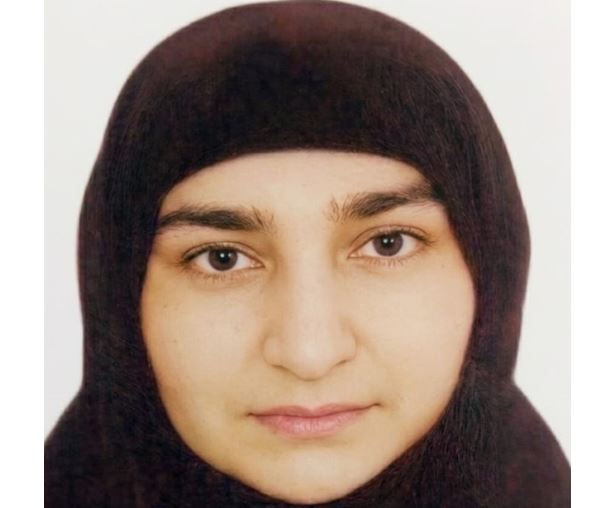
14-year-old girl tortured for two years because she refused to marry a 70-year-old man
An Afghan girl was held for 21 months in a Taliban prison after refusing to marry a powerful local commander, in a case that has sparked strong reactions from women’s rights organizations.
Bibi Sediqa, who is now 17, was imprisoned when she was 14 after refusing to marry Maulavi Khodaynazar, a commander in his 70s in Badghis province.
According to reports from Afghan media and the Revolutionary Association of the Women of Afghanistan (RAWA), the girl had been forced to move into the commander’s home when she was just 12 years old. The reason was reportedly a debt her father owed to Khodaynazar.
The commander allegedly used threats and armed pressure against the family to secure their consent to the marriage. However, the girl refused.
According to reports, a Taliban court initially ordered her release. However, Khodaynazar allegedly pressured a judge in Badghis province to transfer the case to another court.
During her time in detention, she was allegedly tortured in an attempt to force her to give up her opposition to the marriage. According to sources cited by RAWA, the treatment caused severe psychological trauma.
Her mother is also reported to have suffered serious health problems as a result of the situation involving her daughter.
Sources say the Taliban authorities have recently proposed a compromise under which Bibi would marry the commander for three days. Her family, however, claims that no concrete steps have been taken to resolve the case and that no independent committee has been established to investigate it.
The case has once again drawn attention to allegations of forced marriages involving girls in Afghanistan since the Taliban returned to power in 2021.
The country also has a traditional practice known as “baad,” in which girls are given to other families to settle disputes or debts. Although the practice was outlawed in 2009, activists say it has returned in some areas under Taliban control.
Women’s rights organizations have repeatedly warned about restrictions on the rights of women and girls in Afghanistan, including access to education, employment, and freedom of movement.
British women’s rights activist Baroness Elena Kennedy has described the situation as “gender apartheid,” calling on Britain and countries that maintain contact with the Taliban to exert pressure on the Afghan authorities.
Meanwhile, the Taliban have continued to consolidate their power in Afghanistan, while international organizations and human rights activists continue to condemn their policies toward women and girls.
"KORÇA BOOM"