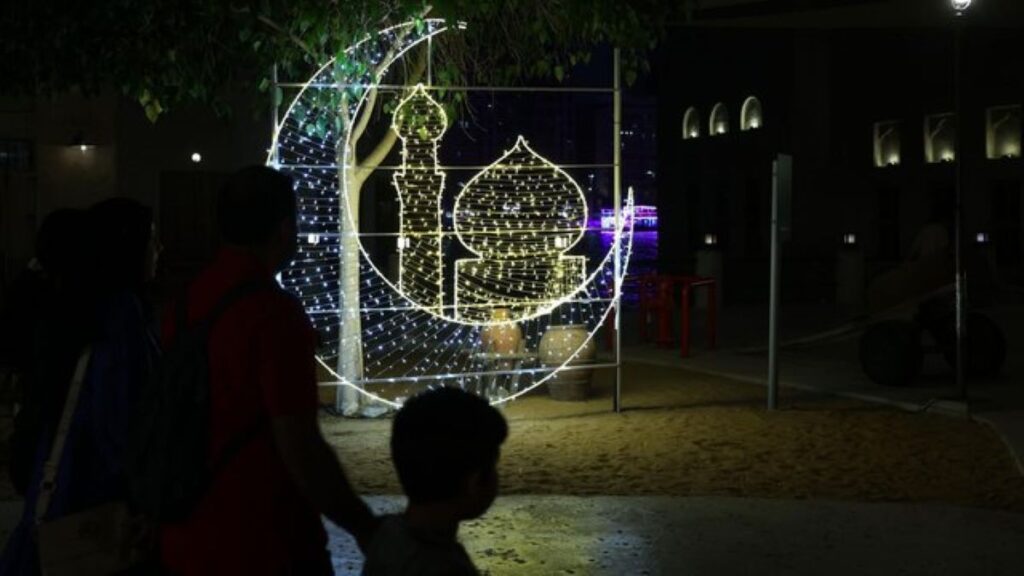
Ramadan 2025: Everything you need to know about the Holy Month
- Mar 1, 2025
- 2 min read
Ramadan is the holy month of fasting for Muslims around the world and one of the five pillars of Islam. During this month, believers devote themselves to worship, reflection, and charity. In 2025, Ramadan is expected to begin on the evening of Friday, February 28, and end on Saturday, March 29.
The Islamic calendar follows a lunar cycle, meaning that the beginning and end of Ramadan may vary depending on moon sightings. While some Muslims rely on astronomical calculations, others adhere strictly to physical moon sightings, following the traditions of their countries or communities.
During Ramadan, Muslims fast from dawn until sunset. Fasting includes abstaining from food, drink (including water), and marital relations during daylight hours. It is an act of devotion and self-discipline, helping believers focus on the spiritual aspects of their lives.
After sunset, the fast is broken with “iftar,” a meal that traditionally begins with dates and water, following the prophetic tradition, and is followed by a full meal. Iftar is often a communal event where families and friends gather to share food and prayers. At night, believers engage in additional prayers, including the special prayer known as “Taraweeh,” which is performed in mosques or at home.
During Ramadan, many Muslims strive to read and reflect on the Quran, dedicating themselves more to charity and helping those in need. They also seek to avoid negative behaviors such as gossip, foul language, and improper actions.
For practicing Muslims, Ramadan is a time to strengthen their connection with God and achieve spiritual purification. For students and employees, this period may present challenges in managing energy and concentration, as fasting hours can be long. Therefore, it is important for teachers and employers to offer flexibility and understanding for their needs.
After Ramadan ends on March 30, 2025, Muslims celebrate Eid al-Fitr, one of the two most important Islamic holidays. This day is filled with joy, prayers, and visits to relatives. On this occasion, believers give “Zakat al-Fitr,” a mandatory charity to help those in need.
For students, it is important that teachers consider the impact of Ramadan on academic performance. It may be helpful to offer deadline extensions for major assignments that coincide with Eid al-Fitr, particularly for deadlines on Monday, March 31.
By showing understanding and support, society can help Muslims observe this holy month with peace and complete spiritual dedication.
CREATED by:
“KORÇA BOOM”