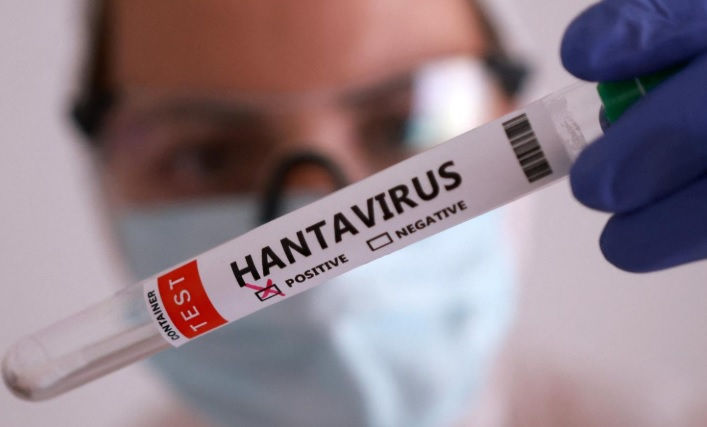
Hantavirus has been confirmed in Albania / These are the symptoms you should know about
In recent days, Albanian media outlets have circulated news and speculation about the arrival of Hantavirus in our country.
This alarm returned to global attention after the WHO reported several severe cases and deaths aboard an international cruise vessel. But is this really a new and unknown threat to Albania?
In fact, no. Experts, including the head of Epidemiology at the ISHP, Silva Bino, have pointed out that this virus has been a known reality for the Albanian scientific community for decades.
As early as 1987, the prestigious medical journal The Lancet documented a severe infection case in northern Albania, studied by Albanian doctors of that time.
Hantavirus is a group of viruses carried by rodents (rats and mice). Humans can become infected mainly by inhaling contaminated air containing dried particles from rodent urine or droppings, while human-to-human transmission is extremely rare.
Since the virus has always existed in nature, especially in rural areas, warehouses, and basements, it is essential to recognize the clinical signs.
Symptoms: What should you know and when should you be concerned?
The incubation period (the time from infection to the appearance of the first symptoms) is usually estimated at two to four weeks, but it can extend up to eight weeks. The clinical signs are divided into two phases:
1. Initial symptoms (Similar to the flu)
According to the Centers for Disease Control and Prevention, in the early days the virus “disguises” itself as a common viral infection. Patients experience:
Severe physical fatigue.
High fever.
Headaches.
Severe muscle pain, mainly concentrated in the large muscles of the body, such as the back and thighs.
2. Severe complications (When the disease progresses)
If the infection advances, it appears in two different medical syndromes affecting different vital organs:
Hantavirus Pulmonary Syndrome (HPS) – Affects the lungs:
After several days of stomach-related disorders, patients begin experiencing serious breathing difficulties. This occurs because of fluid buildup in the lungs. It is the most dangerous form, with a mortality rate reaching up to 38%.
Hemorrhagic Fever with Renal Syndrome (HFRS) – Affects the kidneys:
This is the form historically encountered in Albania as well. Symptoms progress with severe lower back and abdominal pain, redness and inflammation of the eyes, eventually leading to a drastic drop in blood pressure, internal bleeding, and even acute kidney failure.
Is there a cure?
Currently, there is no specific antiviral medication or standardized protocol to eliminate the virus. Experts emphasize that patients are immediately hospitalized to receive emergency supportive care, such as oxygen therapy and continuous monitoring of the heart, lungs, and kidneys.
Elderly individuals and those with weakened immune systems are considered most at risk, which is why specialists stress that the best protection is hygiene and continuous disinfection of environments to keep rodents away.
“KORÇA BOOM”